|
|
|
An ice tray is just a container you use to freeze water into ice cubes. You find them in homes, restaurants, and bars to keep drinks cold, store liquids, or make ice for cooking.
**2. What They're Made Of**
Ice trays are made from different things, and each has its ups and downs:
a) Plastic
What it is: Usually, it's stiff or bendy plastic (like polypropylene or a mix with silicone).
Good stuff: Cheap, not heavy, easy to find, and stacks well.
Not-so-good stuff: Stiff ones can be tough to get ice out of. They can hold onto smells and might crack if it gets too cold.
b) Silicone
What it is: A bendy, rubbery kind of stuff.
Good stuff: Ice pops out super easy. They come in all sorts of shapes and you can wash them in the dishwasher.
Not-so-good stuff: Can cost a bit more and might smell if you don't clean them right.
c) Stainless Steel / Metal
What it is: Not as common, pretty tough metal trays.
Good stuff: Last a long time, don't hold smells, and freeze fast because metal gets cold fast.
Not-so-good stuff: Hard to get ice out. They might rust if you don't take care of them and are pricey.
d) Glass
What it is: Rare, made of special strong glass.
Good stuff: Good for the planet, doesn't have yucky stuff in it, and doesn't hold smells.
Not-so-good stuff: Easy to break and doesn't bend, so getting ice out is hard.
**3. Shapes and Sizes**
Ice trays make all kinds of ice:
* Standard Cubes: The usual 1-inch size, for drinks.
* Big Cubes: Melt slowly, awesome for whiskey.
* Small Pieces: For smoothies.
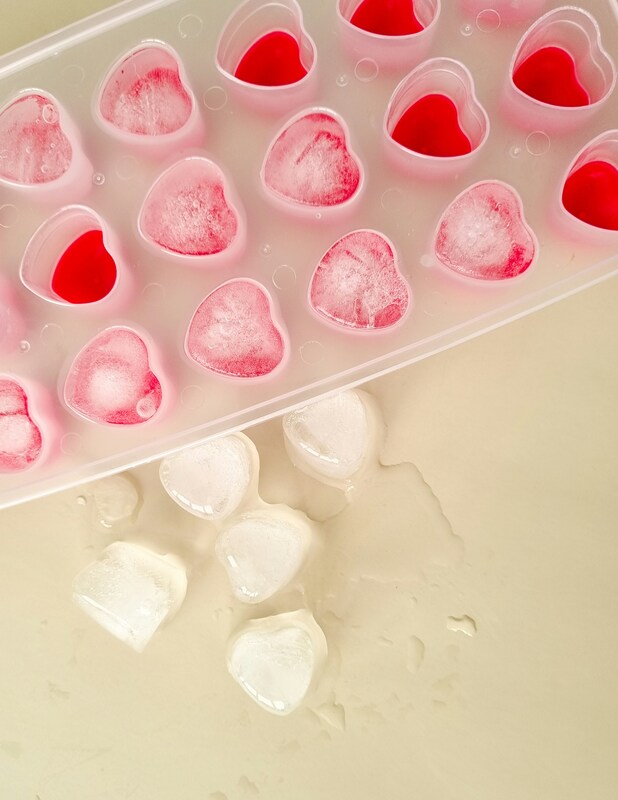
* Fun Shapes: Stars, hearts, circles for parties.
* Round Trays: Make ice balls that melt slow and look cool.
**4. What to Look For**
* Bendy: Silicone trays make getting ice out easier.
* Lid: Keeps stuff from spilling, block odors, and lets you stack.
* How much it holds: Some trays make 6 cubes, others 40+.
* Stacking: Some trays sit on each other nicely to save space.
* Sections: A few let you freeze different drinks separately.
**5. Tips for Filling and Freezing**
* Don't fill it up all the way: Leave a bit of room because water gets bigger when it freezes.
* Use cold water: It freezes faster sometimes.
* Make it even: Put the trays on a flat shelf.
* Put stuff in it: Add fruit or juice to make fun ice.
**6. How to Clean It**
* Wash by hand: Use dish soap and warm water. Silicone trays can go in the dishwasher.
* Get rid of smells: Soak it in water with vinegar or baking soda if the ice smells funny.
* Keep them safe: Stack them in the freezer or in a cupboard.
* Don't scrub hard: Scratches can grow bacteria.
**7. Be Careful**
* Don't use broken trays.
* Make sure they're food-grade.
* If you use hot liquids make sure the material can handle the heat.
**8. Cool things to freeze other than water**
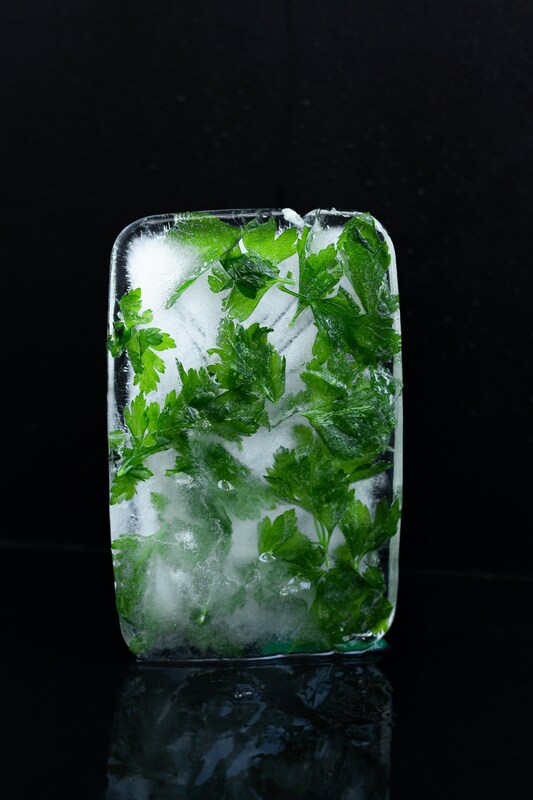
* Freeze herbs.
* Freeze baby food.
* Freeze coffee for recipes.
**9. Storing Tips**
* Use lids to avoid freezer odors.
* Don't stack if they will fall.
* Organize by cube size.
**10. In short**
An ice tray looks simple, but the right material, shape, and features change how easy it is to use it. From cubes to circles, ice trays are good house tools.
**2. What They're Made Of**
Ice trays are made from different things, and each has its ups and downs:
a) Plastic
What it is: Usually, it's stiff or bendy plastic (like polypropylene or a mix with silicone).
Good stuff: Cheap, not heavy, easy to find, and stacks well.
Not-so-good stuff: Stiff ones can be tough to get ice out of. They can hold onto smells and might crack if it gets too cold.
b) Silicone
What it is: A bendy, rubbery kind of stuff.
Good stuff: Ice pops out super easy. They come in all sorts of shapes and you can wash them in the dishwasher.
Not-so-good stuff: Can cost a bit more and might smell if you don't clean them right.
c) Stainless Steel / Metal
What it is: Not as common, pretty tough metal trays.
Good stuff: Last a long time, don't hold smells, and freeze fast because metal gets cold fast.
Not-so-good stuff: Hard to get ice out. They might rust if you don't take care of them and are pricey.
d) Glass
What it is: Rare, made of special strong glass.
Good stuff: Good for the planet, doesn't have yucky stuff in it, and doesn't hold smells.
Not-so-good stuff: Easy to break and doesn't bend, so getting ice out is hard.
**3. Shapes and Sizes**
Ice trays make all kinds of ice:
* Standard Cubes: The usual 1-inch size, for drinks.
* Big Cubes: Melt slowly, awesome for whiskey.
* Small Pieces: For smoothies.
* Fun Shapes: Stars, hearts, circles for parties.
* Round Trays: Make ice balls that melt slow and look cool.
**4. What to Look For**
* Bendy: Silicone trays make getting ice out easier.
* Lid: Keeps stuff from spilling, block odors, and lets you stack.
* How much it holds: Some trays make 6 cubes, others 40+.
* Stacking: Some trays sit on each other nicely to save space.
* Sections: A few let you freeze different drinks separately.
**5. Tips for Filling and Freezing**
* Don't fill it up all the way: Leave a bit of room because water gets bigger when it freezes.
* Use cold water: It freezes faster sometimes.
* Make it even: Put the trays on a flat shelf.
* Put stuff in it: Add fruit or juice to make fun ice.
**6. How to Clean It**
* Wash by hand: Use dish soap and warm water. Silicone trays can go in the dishwasher.
* Get rid of smells: Soak it in water with vinegar or baking soda if the ice smells funny.
* Keep them safe: Stack them in the freezer or in a cupboard.
* Don't scrub hard: Scratches can grow bacteria.
**7. Be Careful**
* Don't use broken trays.
* Make sure they're food-grade.
* If you use hot liquids make sure the material can handle the heat.
**8. Cool things to freeze other than water**
* Freeze herbs.
* Freeze baby food.
* Freeze coffee for recipes.
**9. Storing Tips**
* Use lids to avoid freezer odors.
* Don't stack if they will fall.
* Organize by cube size.
**10. In short**
An ice tray looks simple, but the right material, shape, and features change how easy it is to use it. From cubes to circles, ice trays are good house tools.